The double clutch change of Honda
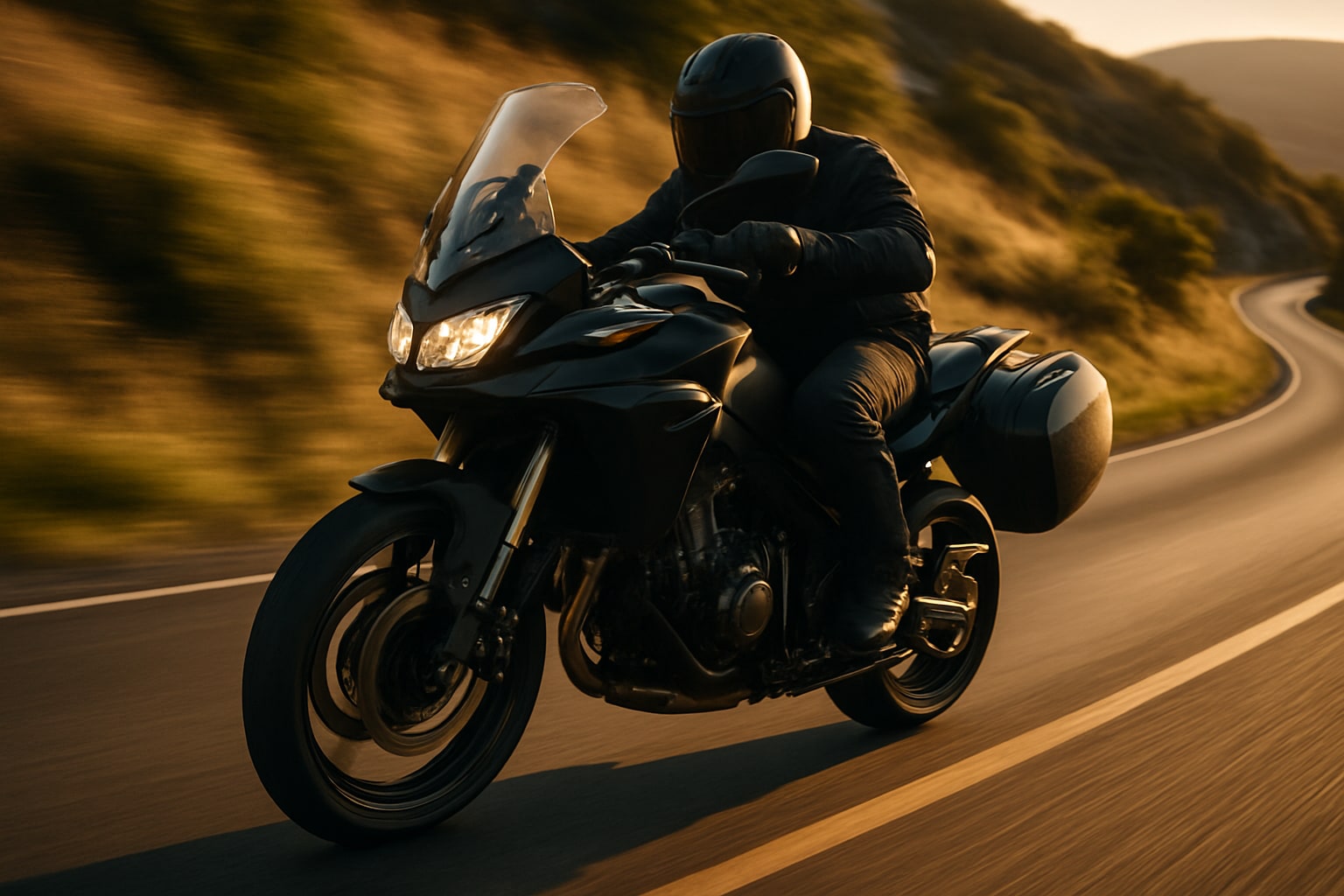
The DCT, dual-clutch system of the Honda Integra is a real showcase of technology from the Japanese brand Honda.

A lot has been said throughout this year about gear changes at Honda, especially in MotoGP. The change we want to explain today is not the one used in competition, but the way it works is not entirely different. It is the system we can find, for example, in the Honda Integra.
The goal of this system is to avoid the loss of power that occurs when shifting gears, and thus make our motorcycle more efficient, since it avoids unwanted losses of momentum that only lead to higher consumption.
The DCT system (Dual Clutch Transmission), that is, the dual-clutch gearbox, works as its name suggests, using two clutches. In this way we have one that takes care of the odd gears, 1st, 3rd and 5th, and another that manages the even ones, 2nd, 4th and 6th.
In this way, when we have one gear engaged at a given engine speed, the other clutch (the one not transmitting power at that moment) begins its movement with the next gear engaged, so the switch from one clutch to the other happens without a significant drop in revolutions. A linear, more comfortable and efficient transmission is achieved, giving sportiness to those who need it, with faster shifts, or comfort to those who want an automatic gearbox.
Now let’s see what all this has to do with MotoGP. In the top category of motorcycle racing, the use of a dual clutch is prohibited by the regulations, but Honda, thanks in part to its experience in F1 during the past decade, it held among its patents a system that worked in a very similar way to this dual clutch but using only one. That is the great difficulty that the other manufacturers have not yet managed to overcome.
In this video you will get a clearer view:
http://www.youtube.com/watch?v=PVrcpfUv_eY
Source | Honda
Photo | Hellforleather


7 comments · Comment
7 comments