Yamaha R6 from Supersport to the street
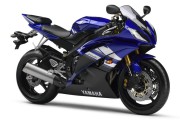
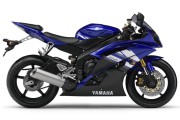
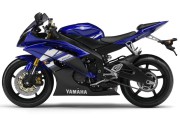
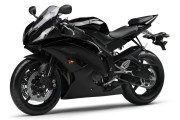
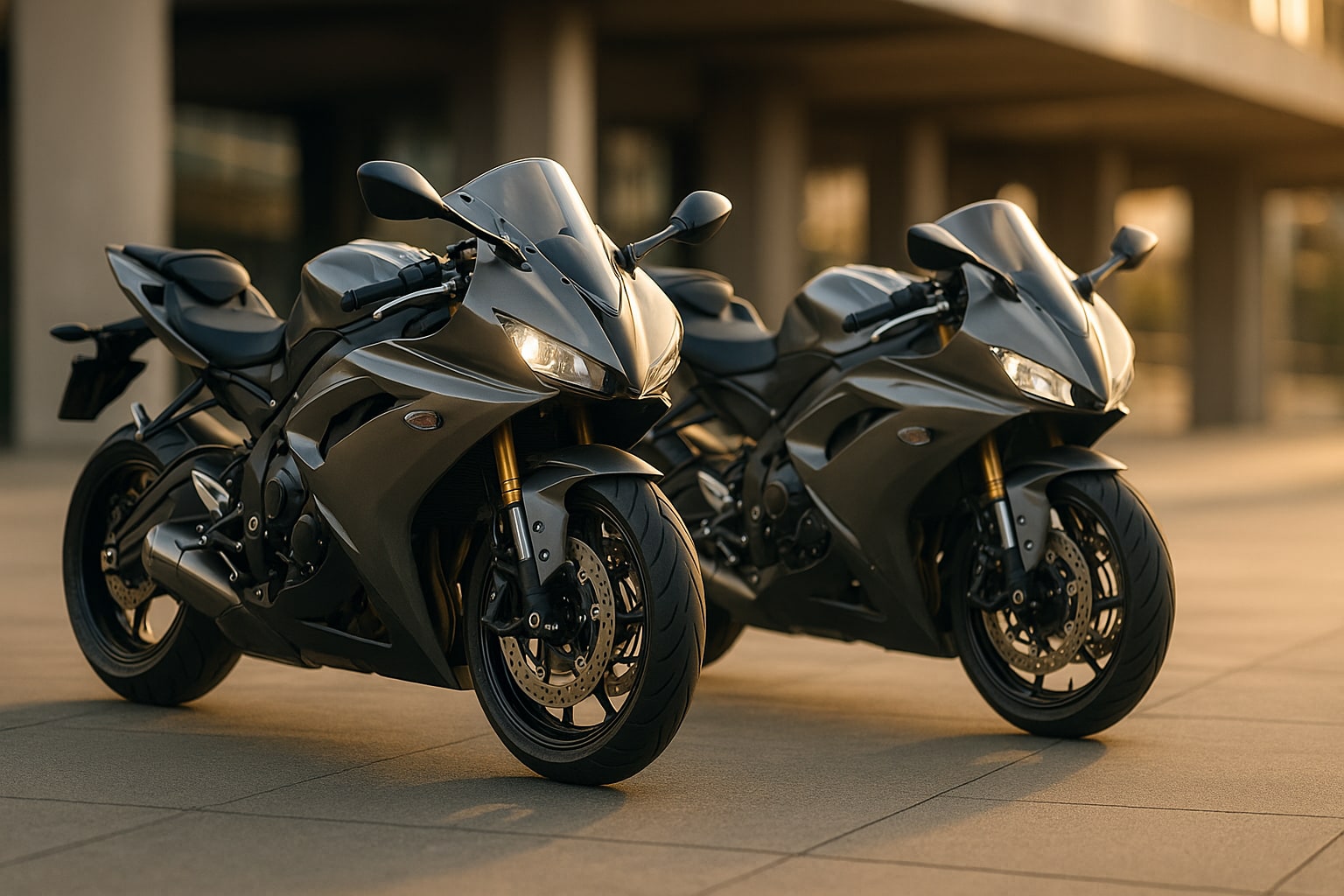
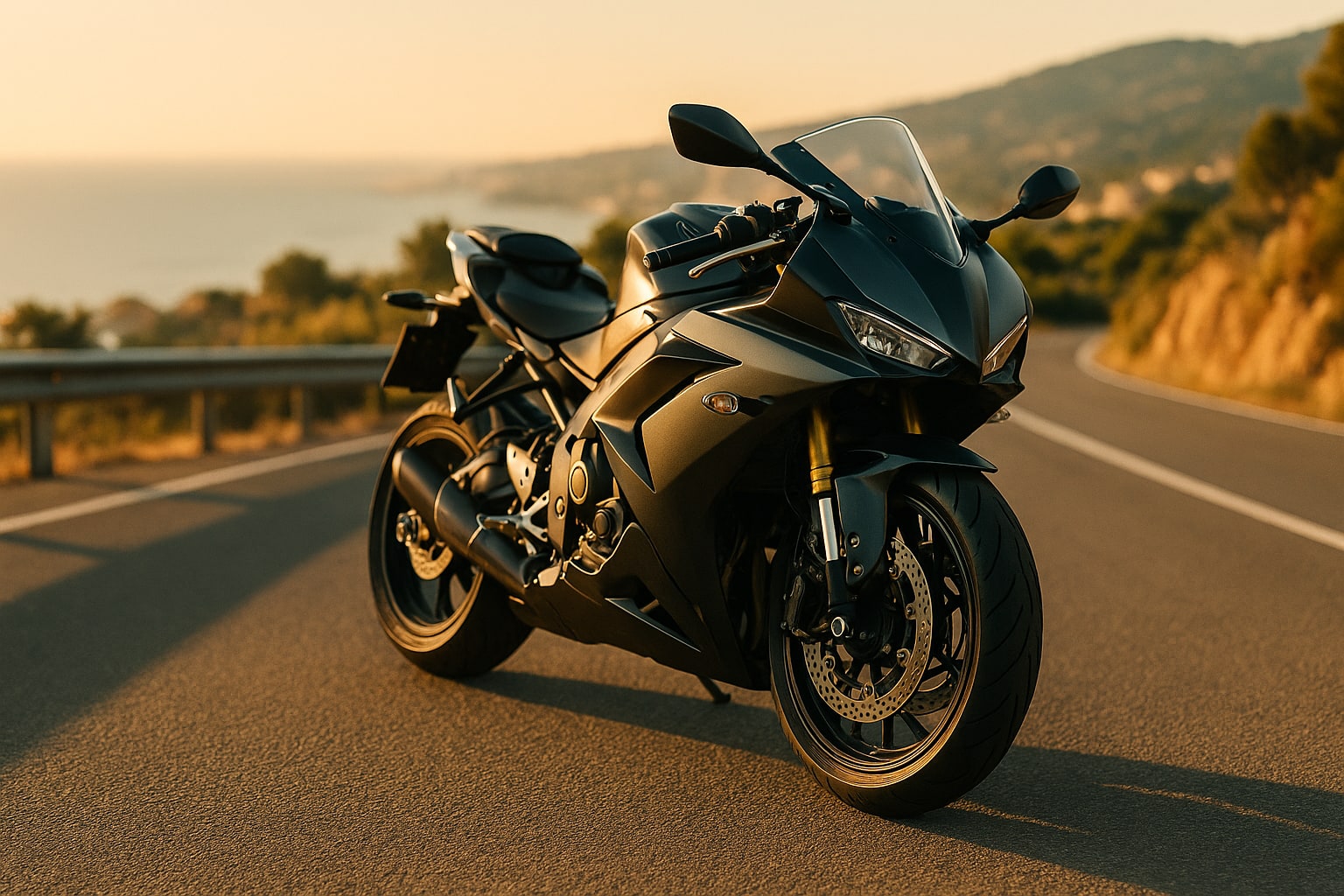
The Yamaha R6 2011, a bike as good-looking as it is effective on track and on the road.
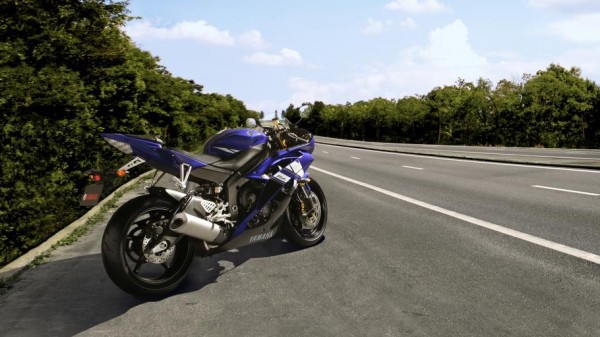
The latest development of the Yamaha R6 dates from 2011, but it is never a bad time to talk about a bike of this type, visually striking and with cutting-edge technology. In addition, with it Supersport champion was crowned, the breakout star of MotoGP, Cal Crutchlow.
Yamaha has always boasted that its street bikes are genuine engineering masterpieces that come almost entirely from the racetrack, where the technology developed in the very MotoGP championship is applied, slightly modified but just as effective, for the street.

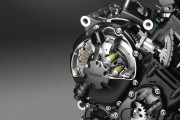
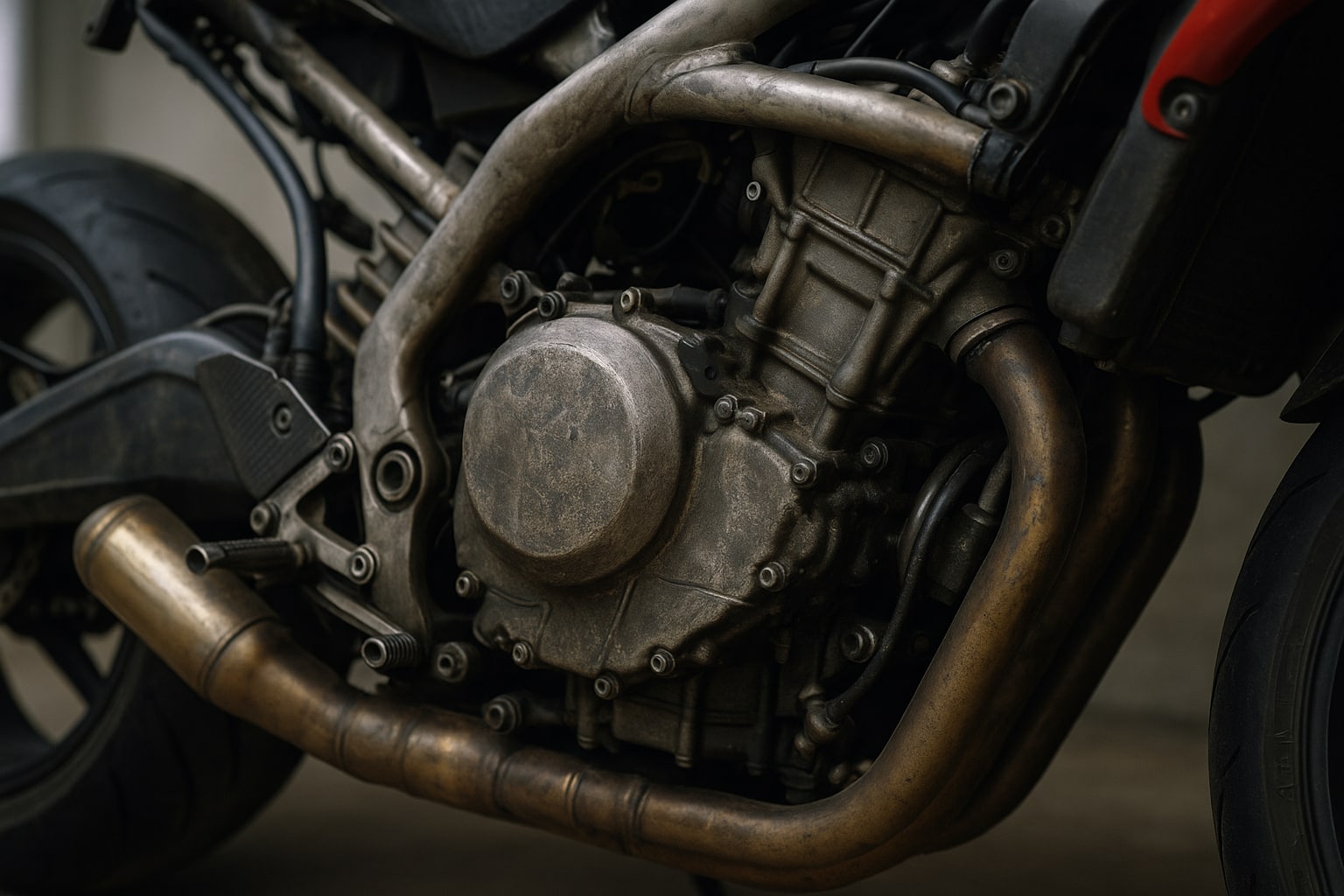
Starting with its engine, it is a 599 cc four-cylinder, liquid-cooled, with a bore by stroke of 67.0 x 42.5 (these dimensions in millimetres). This can be called a short-stroke design, although it seems that all manufacturers have been working in this direction lately. Large pistons and short strokes translate into very high revs, and from there comes what has so often been said about this bike: it is a bike meant to be ridden high in the rev range.
This engine develops a power of 123.8 hp when it reaches 14,500 rpm, and its maximum torque is 65.7 Nm at 10,500 rpm. These numbers bring us back to the earlier point: it is a bike with a lot of power at the top of its rev range, and truly few bikes reach these figures.
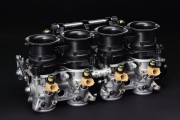
But what would so much power be without a set of components to accompany it and make a good product? We’ll tell you: an uncontrollable madness. That is why they have fitted an anti-hop clutch (coil spring), which lets you downshift with great smoothness of feel. When downshifting, but also when upshifting, the YCC-T has work to do: it is controlled acceleration, very similar to what in MotoGP jargon we call Ride By Wire. The YCC-I system that controls the intake also helps greatly in this last task.

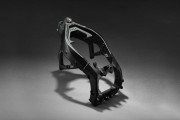
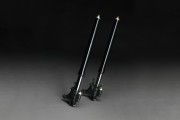
Moving on to the chassis, a key piece in the control and manageability of the bike together with the suspension. It is of the Deltabox type, in other words a twin aluminium spar, die-cast and derived from the technology developed by Valentino and Lorenzo. With these test riders it is clear that it is precise and balanced. As for the fork, it is inverted (it could not be otherwise), with adjustable compression for high and low speed, rebound, preload and, of course, ride height. A good setup of these gives the best possible behaviour of this bike and any other.
Here are all the numbers:
Engine
-Engine type: Liquid-cooled
-Displacement: 599 cc
-Bore x stroke: 67.0 mm x 42.5 mm
-Compression ratio: 13.1 : 1
-Maximum power: 91.0 kW (123.8 PS) @ 14,500 rpm
-Maximum torque: 65.7 Nm (6.7 kg-m) @ 10,500 rpm
-Lubrication system: Wet sump
-Carburettor: Fuel injection
-Clutch type: Multi-plate with coil spring
-Ignition system: TCI
-Starting system: Electric
-Transmission system: Constant mesh
-Final drive: Chain
Chassis
-Chassis: Injection-moulded aluminium Deltabox
-Front suspension system: Inverted telescopic fork, Ø 41 mm
-Front wheel travel: 115 mm
-Steering head angle: 24º
-Trail: 97 mm
-Rear suspension system: Swingarm
-Rear wheel travel: 120 mm
-Front brake: Dual disc, Ø 310 mm
-Rear brake: Single disc, Ø 220 mm
-Front tyre: 120/70 ZR17M/C (58W)
-Rear tyre: 180/55 ZR17M/C (73W)
Dimensions
-Overall length: 2,040 mm
-Overall width: 705 mm
-Overall height: 1,100 mm
-Seat height: 850 mm
-Wheelbase: 1,380 mm
-Minimum ground clearance: 130 mm
-Weight (including full oil and fuel tanks): 189 kg
-Fuel tank capacity: 17.0 litres
-Oil tank capacity: 3.4 litres
Source and photos | Yamaha-moto.eu

2 comments · Comment
2 comments