A1 licence: which motorcycles you can ride and from what age
The A1 licence allows you to ride motorcycles of up to 125 cc and 11 kW from the age of 16, with the option of converting it to a B licence after three years. We explain power limits, exam requirements and when it's better to go straight to the A2.
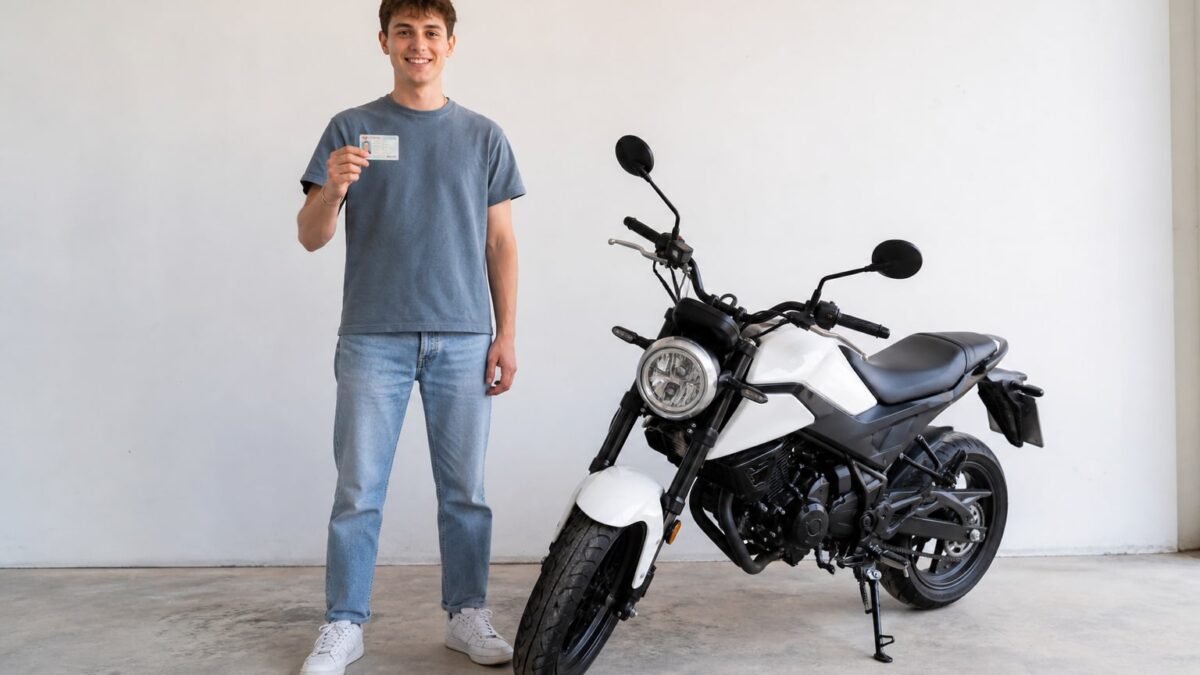
If you’re 16 and want your first motorcycle, or if you already hold a car licence and wonder whether you can get a 125 without any further formalities, the A1 licence is the piece you still need to understand. It isn’t complicated, but it has specific displacement and power limits that you should be clear about before going to the driving school or picking out a bike at the dealership.
What is the A1 licence and what motorcycle can you ride with it?
The A1 is the first “proper” motorcycle licence in Spain, the step between a moped and mid-sized motorcycles. It allows you to ride motorcycles with a maximum engine displacement of 125 cm³ and a maximum power of 11 kW (just under 15 hp), as well as motor tricycles up to 15 kW.
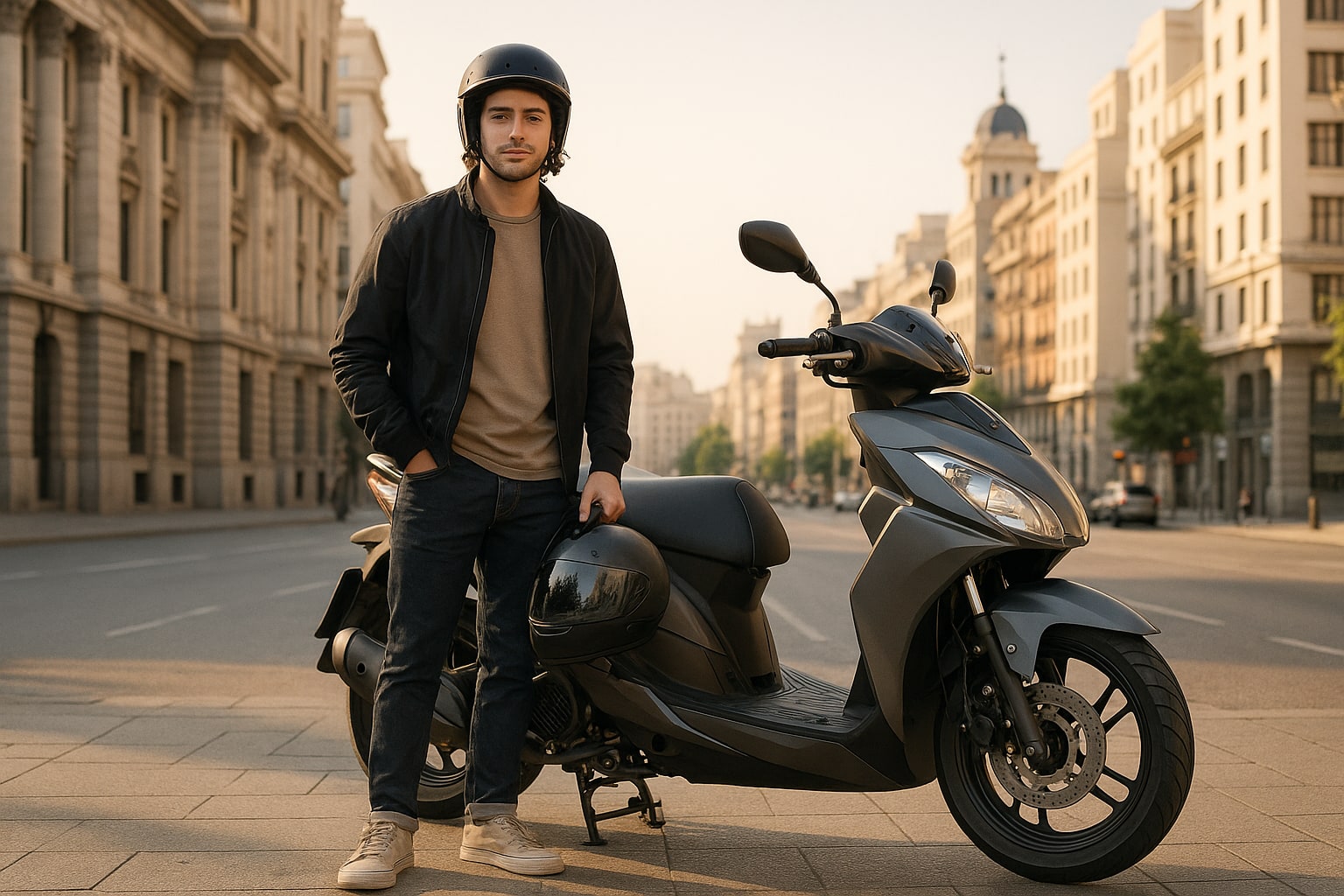
Within those limits fall the vast majority of 125 cc scooters and naked bikes sold in Spain: from an urban scooter to a light, low-displacement café racer-style naked bike. What it doesn’t allow is riding anything above that power, no matter if the bike “looks” like a 125.
At what age can you get the A1 licence?
The minimum age to obtain it is 16 years old. You don’t need to hold the AM moped licence beforehand, although if you do have it, it’s automatically included when you get the A1.
It is the youngest licence that gives access to a real motorcycle on open roads, not just in the city: with the A1 you’re not limited to riding only in town, you can use interurban roads and motorways, as long as the bike doesn’t exceed the stated power limits.
What maximum power does the A1 licence allow?
This is the detail that causes the most doubt and makes the real difference when buying a motorcycle. The A1 licence covers motorcycles of up to 125 cc with a maximum power of 11 kW (15 hp) and a maximum power-to-weight ratio of 0.1 kW/kg.
That last figure, 0.1 kW per kilo, is the one that is sometimes overlooked: it’s not enough for the bike to have 125 cc and less than 11 kW, it must also meet that weight ratio. In practice, almost all the 125s homologated for the A1 sold by manufacturers are already tuned to that limit, so it’s rarely a problem if you buy a new bike from an official dealer network.
Comparison table: A1, A2 and conversion from the B licence
| Licence | Minimum age | Power/displacement limit | Requires prior licence? |
|---|---|---|---|
| AM | 15 years | Mopeds up to 50 cc and 4 kW | No |
| A1 | 16 years | 125 cc, 11 kW (15 hp), 0.1 kW/kg | No |
| B + 3 years | 21 years (18+3) | Equivalent to the A1 within Spain: 125 cc, 11 kW | Yes, B licence held for 3 years |
| A2 | 18 years | Up to 35 kW (47 hp), 0.2 kW/kg | No (although the A1 speeds up the exam) |
| A | 20 years (with prior A2) or 24 years by direct access | No power limit | A2 for 2 years, or direct access at 24 |
Which 125 can you ride with the A1 licence?
With the A1 you can ride urban 125 scooters, light naked bikes, some low-displacement neo-retro models and 125 cc café racers designed specifically for this licence. If you like the café racer style but hold an A1, you can take a look at our ranking of factory café racers you can still buy new, although it’s worth checking model by model which ones have an 11 kW homologated version.
The important thing is not to rely only on the advertised displacement: a “sporty” 125 may exceed 11 kW as standard and need a restricted (or “licence-friendly”) version to be legal with the A1. Always ask the dealer whether that specific unit meets the 0.1 kW/kg power-to-weight ratio, not just the maximum power.
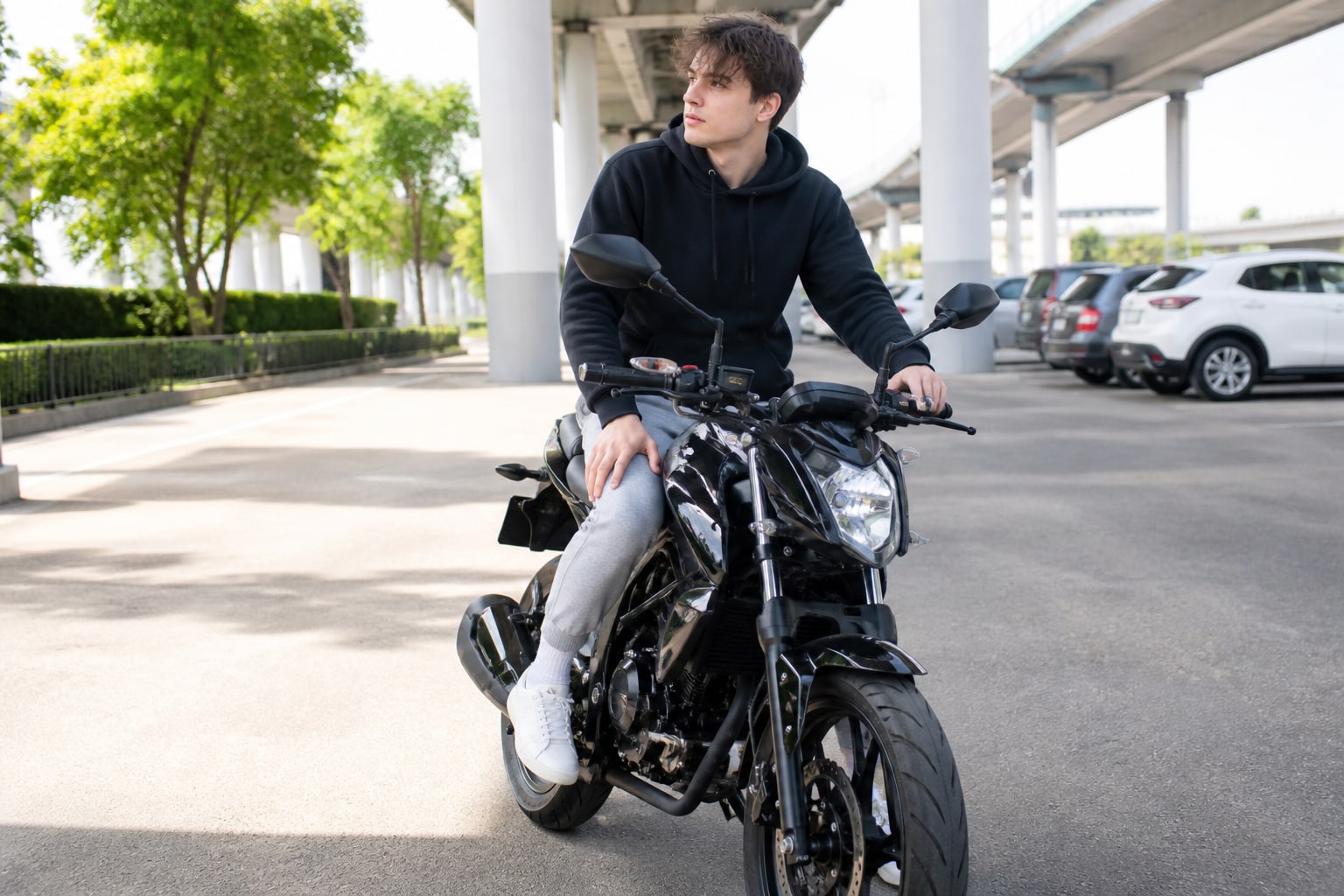
Can I ride a 125 with my car B licence?
This is probably the question that generates the most search traffic, and the answer has nuances. The A1 licence is converted with 3 years of the B licence, meaning that if you have held your car licence for at least three years you can ride motorcycles equivalent to the A1 without taking a separate test.
Watch the geographical nuance: if you’ve had the B licence for more than 3 years you can ride A1-category motorcycles within Spain, but outside Spain that equivalence isn’t valid; to ride a 125 in another country you need an A1. If you plan to travel with the motorcycle outside Spain, getting the A1 for real will save you trouble.
A1 licence requirements and exam
To get your A1 from scratch you need to pass several tests: a common theory exam, a motorcycle-specific theory exam, a practical manoeuvring test on a closed circuit and a practical road test on open roads.
If you already have the B licence, you skip the common theory exam and go straight to the motorcycle-specific one and the two practical tests, which considerably reduces the time and total cost. The final price varies a lot depending on the driving school and city, but it usually falls in a range of roughly 300 to 700 euros, with the DGT exam fee as a fixed part of the expense.
Differences between the A1 and A2 licences
The difference isn’t in the type of exam (they’re very similar) but in the age and the power you’re allowed to ride. The A1 is taken at 16 and goes up to 125 cc and 11 kW (15 hp), with a maximum power-to-weight ratio of 0.1 kW/kg, while the A2 requires 18 years of age and raises the ceiling to 35 kW (47 hp).
If you’re already 18 and don’t yet have any motorcycle licence, in most cases it’s better to go straight for the A2: the exam costs practically the same and opens the door to 300–500 cc bikes, much more useful on the road and with better resale value. You can compare real costs in our guide on how much the A2 licence costs in Spain.
Converting the A1 to the A2
If you already have the A1 and want to move up a category, the process is considerably simplified. If you’ve held the A1 for two years, you can obtain the A2 without a practical exam in some cases, or with a reduced practical test depending on the driving school and the regulations in force at the time.
This makes the A1 a sort of legal “running-in” period: two years riding a real 125, with its power limitations, before moving on to something more serious. It isn’t the fastest route on paper, but it’s the one that gives you the most accumulated experience before increasing your engine size.
Verdict: who benefits from the A1 licence and who doesn’t
The A1 makes sense if you’re 16 or 17 and want your first motorcycle as soon as possible, or if you hold the B licence but have less than three years’ seniority and need to ride a motorcycle right away. It also pays off if you’ll mostly use the bike in town, where 11 kW is more than enough for urban traffic.
It’s less worthwhile if you’re already 18 or older and have no prior motorcycle licence: there the A2 gives you practically the same exam difficulty in exchange for much more power and better bikes available, both new and second-hand. And if you only want to ride occasionally in town without taking any test, you may want to first check which licence you really need for a 125 cc motorcycle, because the conversion from the B licence may save you the whole process.
Power, displacement and minimum age data verified on the official DGT driving licence classes page. Driving school and fee prices are indicative according to industry sources; always confirm them at dgt.es before registering.
0 comments · Comment