Storm Pulse, the electric motorcycle capable of covering 380 kilometers on a single charge
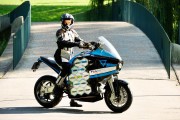
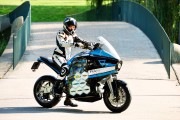
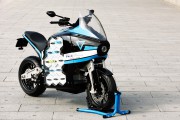
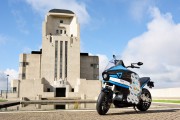
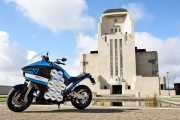
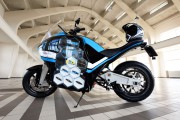
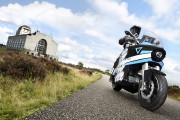
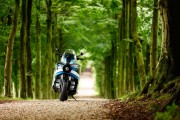
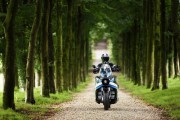
A group of students from the Eindhoven University of Technology has developed an electric motorcycle prototype capable of covering a 380 km route on a single charge of its 24 batteries and reaching a top speed of 160 kilometers/hour. These are considerable figures, and they continue working to improve them.
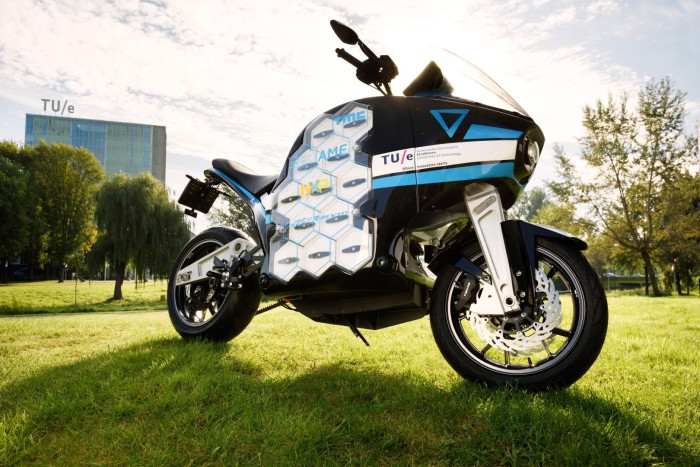
One of the problems preventing the development of an electric motorcycle that is truly useful in real life is the ability to cover a good number of kilometers on a single battery charge. Most motorcycles do not have a very high range, and they rarely reach 100 kilometers per charge. However, several students from the Eindhoven University of Technology have designed and developed a prototype whose batteries allow it to cover a maximum of 380 kilometers on a single battery charge.
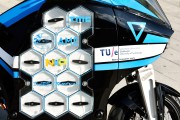
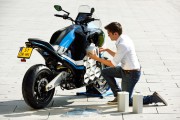
The trick of this motorcycle lies not in magic but in the design they have created, which includes 24 strategically placed batteries in the bodywork to provide 28.5 kWh of energy. This number of batteries comes at a cost to the motorcycle: its weight is set at 340 kilos, which does not make it an excessively light machine. Despite this handicap, it offers excellent figures that allow it to achieve very good results on the road.
With its motor, it can reach an acceleration from 0 to 100 km/h in just five seconds, and the top speed this prototype achieves is 160 km/h, a considerable speed that allows it to cover those 380 km with remarkable ease. The battery charging time is 8 hours, although a range of 0 to 80% charge can be achieved in just 38 minutes, which already makes for quite attractive mobility.

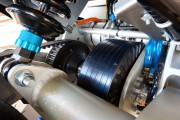
The bodywork is made of aluminum and was designed at the same university, as was the motor. The motor is a component that delivers 35 kW with peaks of 79 kW and a maximum torque of 120 Nm. The design is not finished, and although this version is fairly definitive, work continues on it to refine its shortcomings, create an energy storage system that reduces its weight, and at some point next year consider undertaking a world tour, circling the globe, using the test vehicle.
Source: autoevolution